

How Sleep, Stress, and Behavior Will Become the Data that Drives the Next Generation of Technology
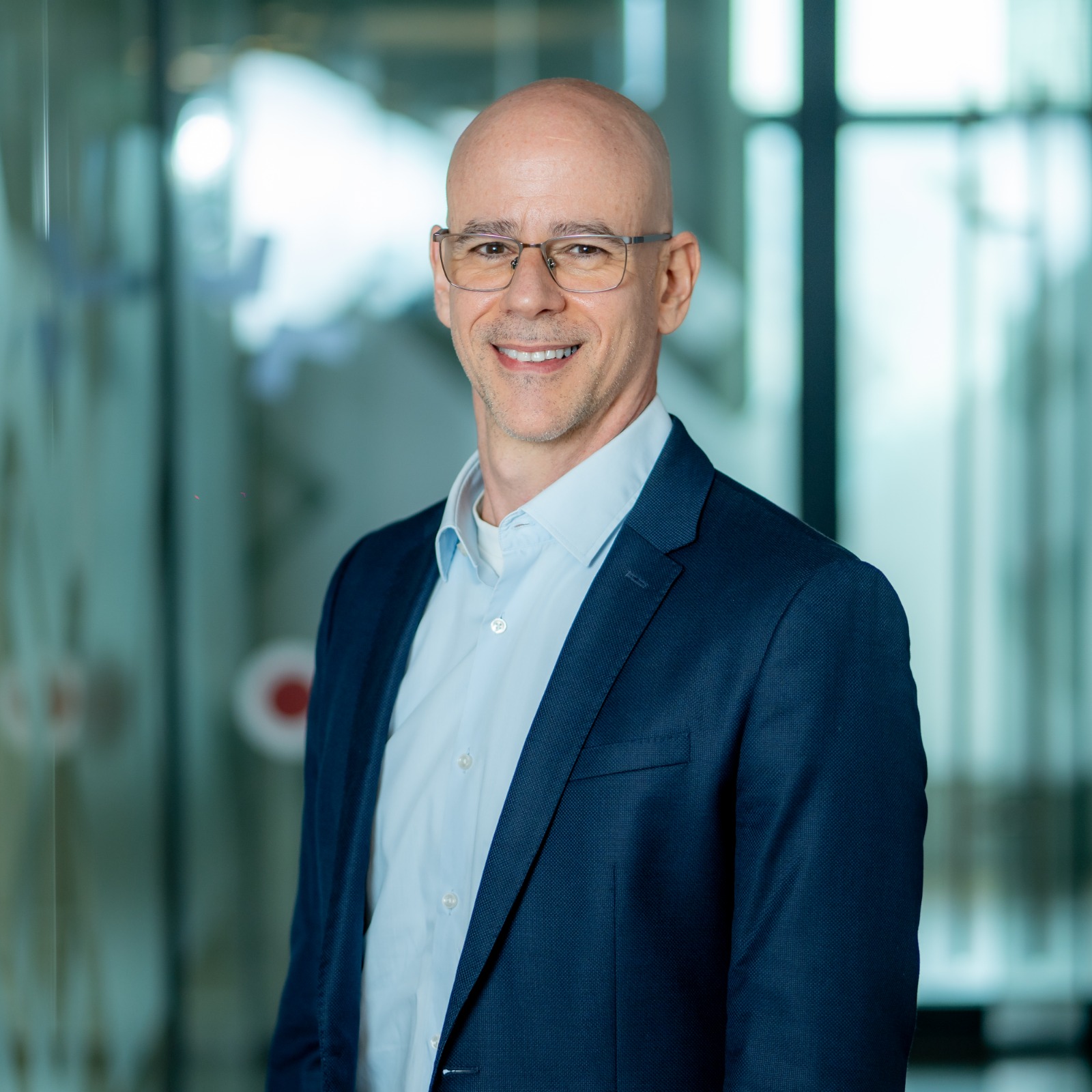
Dror Bin, CEO of The Israel Innovation Authority (Credits: Israel Innovation Authority)
The Israel Innovation Authority and the Tkuma Directorate will establish first of its kind, national R&D laboratory for the study of human resilience in Sderot
JERUSALEM, ISRAEL, March 17, 2026 /EINPresswire.com/ -- The Tkuma Directorate and the Israel Innovation Authority announced today a joint investment of approximately NIS 5 million to establish a national living lab in Sderot. A first-of-its-kind applied research infrastructure dedicated to the study of human resilience and the development of human-centered AI and resilience tech.The project will establish a multidimensional, long-term data repository collected under real-world conditions, enabling researchers and technology companies to develop the next generation of technologies designed to better understand human stress, sleep, behavior, and resilience. The initiative is intended to position Israel at the forefront of global research in human resilience and artificial intelligence while creating a new foundation for developing products, services, and tools that will serve industry, government entities, and academia.
Ze’ev Elkin, Minister in charge of the North and South Rehabilitation, said: “From my very first day, I said that our mission in the Tkuma region is not only to restore what was damaged, but to build a stronger and more advanced future than what existed before the war. The establishment of the national research lab for human resilience in Sderot is a clear example of this. It is an investment that connects security, innovation, and economic growth. This move reflects our commitment to turning the Tkuma region into a leading hub in research, technology, and entrepreneurship, one that creates new opportunities for its residents and ensures a better future for the next generation.”
Gila Gamliel, Minister of Innovation, Science and Technology, said: “The establishment of the Living Lab for the study of human resilience in Sderot represents a new approach led by Israel, a deep integration between advanced science, artificial intelligence, and real life. The decision to establish this national infrastructure דווקא in the periphery, and in Sderot in particular, is not incidental, it reflects a belief that centers of innovation and growth can and should emerge beyond the center of the country.
Alongside its significant scientific and technological contribution, the initiative will serve as a future growth engine that will help build, rehabilitate, and strengthen Sderot by creating high-quality jobs, attracting researchers and entrepreneurs, and positioning the city as an international knowledge hub in the field of human resilience. In this way, we connect scientific excellence with strengthening society and community, ensuring that Israeli innovation generates real impact on the ground.”
Aviad Friedman, Head of the Tkuma Directorate, added: "Alongside its scientific and technological contribution, the project is expected to create high-quality jobs in research, engineering, data, and AI, promote the return of Israeli scientists, and integrate diverse populations into the regional innovation ecosystem that the Tkuma Directorate is working to advance through a range of tools and initiatives aimed at establishing long-term infrastructure in innovation and technological progress. The planned model will enable expansion and replication in additional communities across Israel, turning it into a long-term national asset."
Dror Bin, CEO of the Israel Innovation Authority, said: “The lab will be accessible to technology companies and academic researchers and is expected to accelerate the development of products and services in this field. The new laboratory positions Israel at the global forefront of human resilience research and artificial intelligence and represents a long-term strategic investment that will impact areas such as security, education, transportation, urban planning, and employment. The project is expected to generate broad technological spillover and strengthen Israel’s position as a global innovation powerhouse.”
At the core of the initiative is the establishment of a unique research infrastructure at an international scale that will collect unprecedented data combining indicators of stress, sleep, emotion, behavior, environmental conditions, and responses to emergency situations. The integration of these data layers over time and in real-life environments does not currently exist anywhere in the world at this scale. Beyond its scientific and security value, the repository will support the development of advanced technologies in mental health, community resilience, artificial intelligence, and knowledge-intensive deep tech.
Around this infrastructure, practical tools and services are expected to emerge that will transform research into a technological and economic growth engine. These include dashboards, predictive tools, systems for evaluating interventions, and a testbed for developing and validating technologies under real-world conditions. These capabilities are expected to serve government entities, industry, and academia in Israel and worldwide, enabling Israel to build a clear competitive advantage in a rapidly growing field.
The selection of Sderot reflects the city’s unique characteristics as a community that has lived for years under conditions of stress and uncertainty, circumstances that create rare research conditions on a global scale. Based on this reality, a national living lab will be established in the city, including advanced measurement laboratories in brain research, physiology, sleep, behavior, and VR, alongside a long-term municipal data repository and an operational resilience dashboard.
The infrastructure will serve four primary user groups:
● Startups and industry, requiring scientific validation, biomarkers, and regulatory readiness
● Healthcare and treatment systems, seeking to evaluate interventions and improve services
● The Sderot municipality and education and welfare entities, for load management and data-driven forecasting
● Academia and the public sector, for research, policy development, and human capital development
In addition to its scientific impact, the initiative is expected to contribute directly to the regional and national economy. According to the program plan, the project will create high-quality jobs in research, engineering, data, and AI, encourage the return of Israeli scientists, and integrate diverse populations into Israel’s innovation ecosystem.
The initiative has already received letters of intent and support from numerous entities, reflecting strong demand for such infrastructure from government entities, industry partners, and research institutions. For Israel, the project represents not only the establishment of a new laboratory but a strategic initiative that connects a national need with research advantages, economic potential, and the ability to lead an emerging global field originating in Sderot.
Raoul Wootliff
N10S
+972 54-692-1720
email us here
Legal Disclaimer:
EIN Presswire provides this news content "as is" without warranty of any kind. We do not accept any responsibility or liability for the accuracy, content, images, videos, licenses, completeness, legality, or reliability of the information contained in this article. If you have any complaints or copyright issues related to this article, kindly contact the author above.
